






What is Forex Trading?
Forex trading, also known as foreign exchange trading, is the process of exchanging one currency for another in order to profit from fluctuations in exchange rates. It is one of the most significant financial markets in the world, with daily trading volumes reaching over $6 trillion. Forex trading operates 24 hours a day, five days a week, making it an attractive option for traders around the globe. To explore further opportunities and strategies in forex trading, consider visiting what is trading forex fx-trading-uz.com.
The Basics of Forex Trading
At its core, forex trading involves buying one currency while simultaneously selling another. These transactions happen in currency pairs, which represent the value of one currency relative to another. The most common currency pairs include EUR/USD, USD/JPY, and GBP/USD.
Currency Pairs Explained
Each currency pair consists of two components: the base currency and the quote currency. The base currency is the first currency listed in the pair, while the quote currency is the second. For example, in the pair EUR/USD, the euro (EUR) is the base currency, and the US dollar (USD) is the quote currency. If the EUR/USD pair is trading at 1.20, it means one euro can be exchanged for 1.20 US dollars.
How Forex Trading Works
Forex trading works through a network of banks, brokers, and financial institutions that facilitate the buying and selling of currencies. Traders can access the forex market through online trading platforms, enabling them to place trades easily. These platforms provide various tools and resources to help traders analyze the market, manage their accounts, and execute trades.
Market Participants
The forex market is made up of various participants, including:
- Central Banks: National banks control monetary policy and influence currency values through interest rate adjustments.
- Financial Institutions: Banks and financial firms engage in large-scale trading for profit.
- Corporations: Businesses involved in international trade use the forex market to hedge against currency risk.
- Retail Traders: Individual traders participate in the market through online brokers, seeking profit from small price fluctuations.
Getting Started with Forex Trading
If you’re interested in getting started with forex trading, here are the essential steps to take:
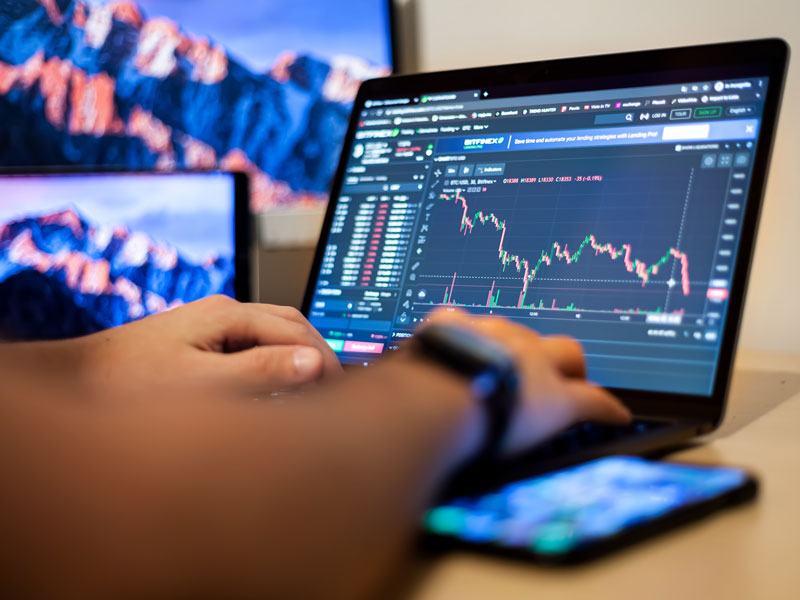
1. Choose a Reliable Broker
Select a reputable forex broker that offers a trading platform compatible with your needs. Look for features like low spreads, leverage options, and a user-friendly interface.
2. Open a Trading Account
Once you’ve chosen a broker, you’ll need to open a trading account. Most brokers offer different account types, including demo accounts for practice and live accounts for trading with real money.
3. Learn the Fundamentals
Before diving into trading, it’s crucial to understand the basics of forex markets, including how to read currency pairs, the factors that influence exchange rates, and how to use trading tools effectively.
4. Develop a Trading Strategy
A robust trading strategy is essential for success in forex trading. This strategy should include entry and exit points, risk management techniques, and an evaluation of market conditions. Traders often use technical and fundamental analyses to inform their strategies.
5. Start Trading
After preparing with a demo account and developing a strategy, you can start trading with real money. Begin with a small amount to minimize risk and gradually increase your trading size as you gain experience.
Strategies for Forex Trading
Successful forex trading often relies on employing various strategies. Here are some common approaches:
1. Day Trading

Day trading involves opening and closing positions within a single trading day. This strategy aims to capitalize on short-term market movements, often requiring quick decision-making and a deep understanding of market trends.
2. Swing Trading
Swing trading involves holding positions for several days to take advantage of expected price moves. Traders using this strategy analyze charts and patterns to identify entry and exit points.
3. Scalping
Scalping is a high-frequency trading strategy where traders aim to make small profits from many trades throughout the day. This approach requires significant time and focus, as positions are held for only a few minutes.
Risks of Forex Trading
While forex trading can be profitable, it also carries significant risks. Some of the primary risks include:
1. Market Volatility
The forex market is known for its volatility, with currency prices often experiencing rapid changes due to economic news and events.
2. Leverage Risks
Leverage allows traders to control larger positions than their initial investment, which can magnify both profits and losses. It’s essential to use leverage carefully and manage risk effectively.
3. Psychological Factors
Emotional decision-making can lead to poor trading choices. Successful traders must maintain discipline and stick to their trading plans, regardless of market fluctuations.
Conclusion
Forex trading offers many opportunities for profit, but it also requires a thorough understanding of the market, disciplined strategies, and effective risk management. By taking the time to learn the fundamentals and developing a solid trading plan, you can navigate the complexities of the forex market and increase your chances of success.




Más historias
Wyjątkowa Szansa na Wygraną Zdobądź ice casino bonus bez depozytu i Przeżyj Niezapomniane Emocje w Ś
Your Guide to Recovering Funds After a Crypto Scam
kompletny przewodnik po zakładach sportowych w najważniejszych trendach branżowych